Why Choosing the Right Fruit Pitting Machine Matters
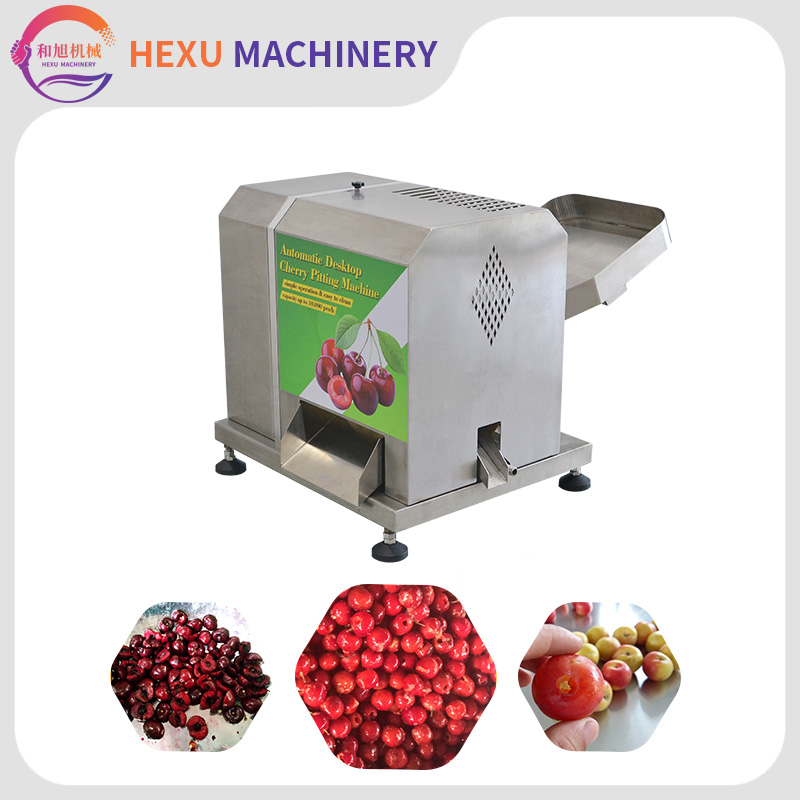
For commercial fruit processors, removing pits efficiently is an important step before freezing, drying, canning, slicing or further processing. A suitable fruit pitting machine can help
increase production capacity, reduce manual labor and achieve more consistent processing results.
However, different fruits vary greatly in size, shape, firmness and pit structure. Therefore, selecting the right industrial fruit pitting machine should be based on your actual raw materials
and production requirements.
Consider the Type and Size of Fruit
The first factor to consider is the fruit you need to process.
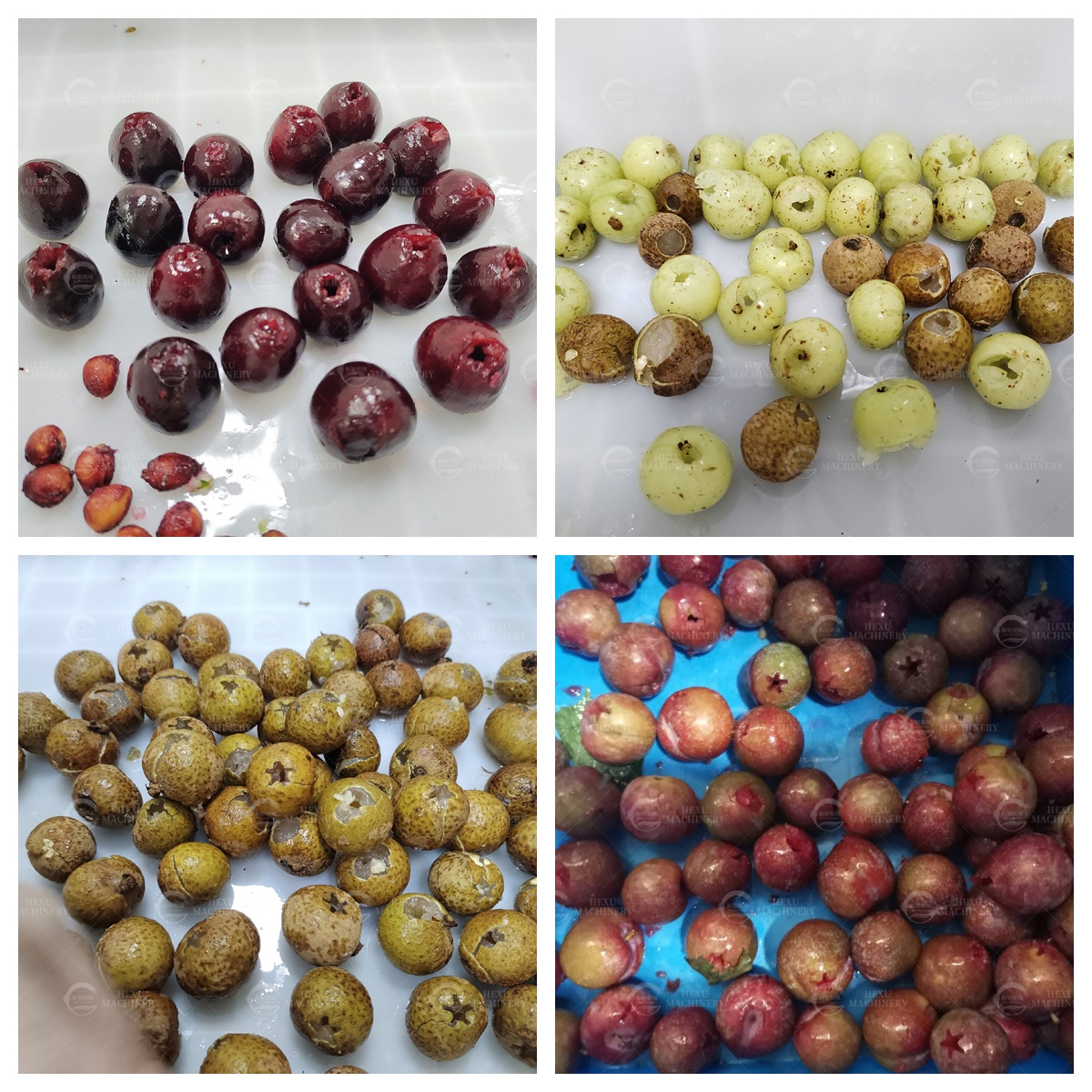
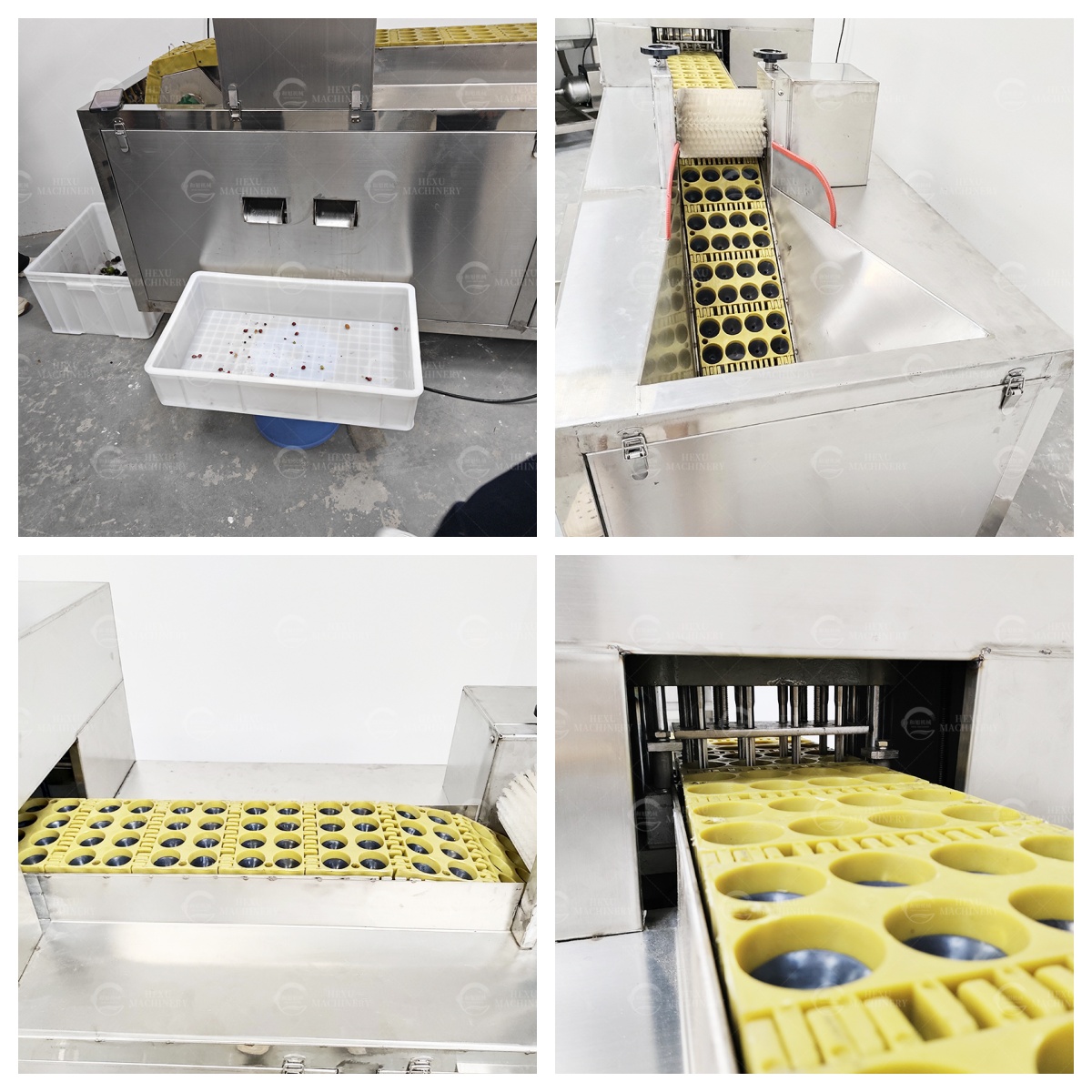
Peaches, plums, cherries, apricots, dates and similar fruits have different diameters and pit sizes. A professional fruit destoner machine normally uses specially designed molds to
position the fruit before removing the stone.Choosing the correct mold size helps improve positioning accuracy and reduces unnecessary damage to the fruit.
If your factory processes fruits of different sizes, a machine with replaceable or customized molds can provide greater production flexibility.
Determine Your Required Processing Capacity
Production capacity is another important consideration when purchasing a commercial fruit pitting machine.
Small food workshops may only require compact equipment, while industrial fruit processing factories need machines designed for continuous production.
Before purchasing, manufacturers should consider their hourly production target, working hours and future production expansion.
An automatic fruit pitter can reduce dependence on manual processing and help manufacturers maintain stable output during busy production periods.
Pitting Only or Pitting and Cutting?
Different finished products require different processing methods.
Some customers only need the fruit pit to be removed while keeping the fruit as complete as possible. Others may need the fruit to be divided into halves, quarters or other sizes immediately
after pitting.Combining pitting and cutting into one processing step can simplify the production line and reduce additional handling.
For this reason, it is important to tell your equipment supplier what final product you want to produce before selecting the machine.
Pay Attention to Machine Material and Cleaning
Hygiene is especially important in fruit processing.
A high-quality industrial fruit pitting machine should use food-grade materials for components that come into contact with the product. Stainless steel construction is commonly used because
it is durable, corrosion-resistant and convenient to clean.
Easy-to-remove molds and accessible machine structures can also make daily cleaning and maintenance more efficient.
Choose a Reliable Fruit Processing Machine Supplier
Purchasing a fruit pitting machine is not only about choosing equipment. Technical support, mold customization and machine configuration are also important for long-term production.
HEXU Machinery provides fruit processing solutions for different applications, including machines for peaches, plums, cherries and other fruits.
Customers can provide fruit photos, average fruit diameter, pit size, required capacity and finished product requirements. Based on this information, HEXU Machinery can recommend a suitable machine configuration.
If you are searching for an automatic fruit pitter, fruit destoner machine or complete fruit processing solution, visit www.hexumachinery.com and contact HEXU Machinery for more information.